Reading time: 7 minutes
- Introduction: The Legacy of the Volkswagen Beetle
- The Creation of the Volkswagen Beetle in Germany
- Key Specifications of the Volkswagen Beetle
- Engine and Performance
- Body Design
- Durability
- Post-War Use and Popularity of the Beetle
- The Yellow Volkswagen Beetle in Once Upon a Time
- Modern Volkswagen Beetle Models
- Conclusion: The Beetle – A Car for Those Who Appreciate Simplicity and Elegance
- FAQ Section
Introduction: The Legacy of the Volkswagen Beetle
The Volkswagen Beetle is an automotive icon, cherished by car enthusiasts and collectors around the world. What started as a simple, functional vehicle in Germany during the late 1930s has evolved into one of the most beloved classic cars in history. The Beetle’s transformation from a utilitarian car designed for the masses to a global symbol of culture, nostalgia, and style has made it one of the most recognizable classic autos ever built.
Its place in classic car history is undeniable. This “old car” has managed to capture the hearts of generations, from its humble beginnings to its status as a pop culture icon in movies and TV shows. In this article, we’ll explore the fascinating history of the Volkswagen Beetle, its technical features, cultural significance, and why it continues to be adored by classic car enthusiasts.
The Creation of the Volkswagen Beetle in Germany
The Volkswagen Beetle, originally known as the Volkswagen Type 1, was designed in the late 1930s at the request of the German government under Adolf Hitler. The idea was to create an affordable, reliable, and accessible car for the masses, in line with the vision of “a car for the people.”
Designed by Ferdinand Porsche, the Beetle was produced by the newly formed Volkswagen company in 1937. Its design was simple and practical, with a rear-engine layout that allowed for more efficient use of space, and a distinctive rounded shape. The car was intended to be mass-produced and sold at a price that made it affordable to families, which helped make the Volkswagen Beetle one of the most sold cars in history.
The development process involved a dedicated team of engineers and designers working to meet strict requirements set by the government, including fuel efficiency, durability, and ease of maintenance. The Beetle’s air-cooled engine was a key innovation, eliminating the need for a complex cooling system and making the car more reliable in various climates. Despite initial production delays due to the outbreak of World War II, the factory began producing the Beetle in earnest after the war, setting the stage for its global success.
The Beetle’s creation was not without controversy, as its design drew inspiration from earlier concepts and faced legal challenges over patent claims. Nevertheless, the Volkswagen Beetle emerged as a symbol of German engineering and post-war recovery, eventually becoming a beloved vehicle worldwide. Its combination of affordability, practicality, and unique style helped it stand out in the automotive market and secure its place in history.
Key Specifications of the Volkswagen Beetle
The Volkswagen Beetle is renowned for its simplicity and functionality. Here’s a closer look at some of its defining specifications:
Engine and Performance:
- The early Volkswagen Beetles were equipped with a rear-mounted, air-cooled engine that was simple, reliable, and easy to maintain.
- The standard engine was a 1.1L 4-cylinder that produced around 25 horsepower, enough to propel the Beetle to speeds of up to 60 mph.
- Over the years, the Beetle was offered with several engine options, including larger engines in the later models, but its charm remained in its simplicity and fuel efficiency.
Body Design:
- The Volkswagen Beetle is known for its distinctive “Coca-Cola bottle” shape, with curvaceous fenders and a smooth, compact body.
- Its compact size made it perfect for both city driving and longer trips, and the rear-engine design provided a spacious cabin.
- The Beetle’s two-door body style and simple, rounded lines gave it a unique and timeless look that continues to be adored by collectors.
Durability:
- One of the main reasons the Volkswagen Beetle has earned its status as an “old car” and classic auto is its legendary durability. Known for its toughness, the Beetle could run for hundreds of thousands of miles with minimal maintenance, making it a favorite for owners around the world.
- The air-cooled engine and simple design also meant fewer parts could break or malfunction compared to more complex vehicles of the era.
Post-War Use and Popularity of the Beetle
After World War II, the Volkswagen Beetle was mass-produced and became one of the most affordable cars in Europe. As the world recovered and rebuilt after the war, the Beetle provided an ideal solution to the need for affordable transportation.
By the 1950s, the Volkswagen Beetle had gained significant popularity in the United States, thanks to its affordability, reliability, and quirky design. In the 1960s, it became a cultural icon, symbolizing the counterculture movement with its fun, simple design, and independent spirit.
As the classic auto market grew, the Volkswagen Beetle continued to evolve, becoming a pop culture icon. By the 1970s, the Beetle had earned a place in the hearts of millions of drivers worldwide.
The Yellow Volkswagen Beetle in Once Upon a Time
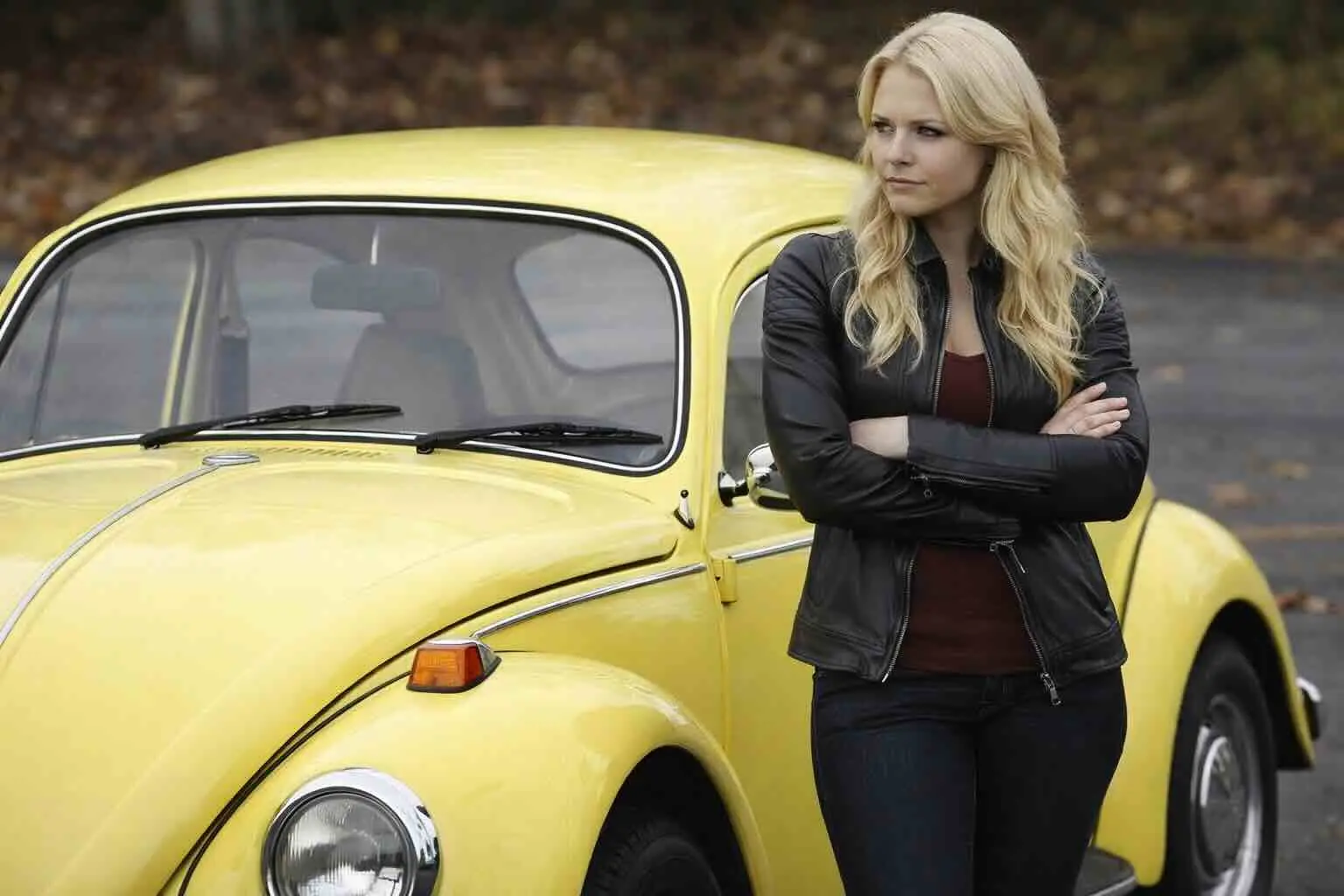
The Volkswagen Beetle made a memorable appearance in the Disney TV series Once Upon a Time, where it was driven by Emma Swan, one of the main characters. The car, often seen in its bright yellow color, became a beloved symbol of Emma’s character—independent, bold, and resilient.
The yellow Volkswagen Beetle was more than just a vehicle in the series; it represented Emma’s connection to the past and her journey toward self-discovery. Its distinctive color and nostalgic vibe made it an iconic part of the show and added to the character’s charm, much like the Beetle itself in real life.
Modern Volkswagen Beetle Models
Although the Volkswagen Beetle is often associated with the past, modern versions of the car have evolved while maintaining the spirit of the original. In the 1990s, Volkswagen revived the Beetle with a new, more modern look while keeping the familiar round shape.
Modern Volkswagen Beetles feature more advanced engines, technology, and comfort features, but the retro design has remained largely intact. These models cater to consumers who love the classic charm of the original but seek modern amenities like air conditioning, power steering, and improved safety features.
The Beetle – A Car for Those Who Appreciate Simplicity and Elegance
The Volkswagen Beetle is more than just a car—it’s a classic auto that embodies simplicity, elegance, and charm. Much like a game of baccarat or blackjack, owning a Beetle is about appreciating the finer things in life: timeless style, understated elegance, and a sense of nostalgia.
For those who love the classic cars of the past and the beauty of simplicity, the Volkswagen Beetle continues to be the perfect choice. Its enduring appeal, from its early years in Germany to its status as a pop culture icon, makes it the ultimate classic auto for those who admire both style and functionality.
FAQ Section:
Q: What makes the Volkswagen Beetle a classic car?
A: The Volkswagen Beetle is considered a classic auto due to its iconic design, durability, and cultural significance. It remains a beloved symbol of the past.
Q: Why was the Volkswagen Beetle so popular after WWII?
A: After WWII, the Volkswagen Beetle became an affordable, reliable car that provided a solution to transportation needs during the post-war recovery.
Q: What is the significance of the yellow Volkswagen Beetle in Once Upon a Time?
A: The yellow Volkswagen Beetle in Once Upon a Time symbolized Emma Swan’s independence, resilience, and connection to her past, becoming a memorable part of the character’s journey.
Q: How has the modern Volkswagen Beetle evolved?
A: The modern Volkswagen Beetle retains its iconic design but includes modern technology, better performance, and upgraded features, making it perfect for today’s buyers who appreciate retro style.
Q: What are some unique features of the Volkswagen Beetle that contributed to its lasting appeal?
A: The Volkswagen Beetle boasts a rear-mounted, air-cooled engine, which not only simplified maintenance but also allowed for a spacious interior despite its compact size. Its distinctive rounded shape and friendly “bug-like” appearance made it instantly recognizable and endearing to many.
Q: How did the Volkswagen Beetle influence car culture globally?
A: Beyond being just a mode of transportation, the Volkswagen Beetle became a cultural icon representing freedom, individuality, and a break from convention. It inspired numerous modifications, from Baja Bugs for off-road adventures to custom paint jobs, and became a staple in movies, music, and art, cementing its place in popular culture.
Q: Are there any notable records or achievements associated with the Volkswagen Beetle?
A: Yes, the Volkswagen Beetle held the record for the longest continuous production run of any single car model, spanning over six decades. It also became one of the best-selling cars worldwide, with over 21 million units produced, a testament to its enduring popularity.
Q: What should potential buyers or collectors know about maintaining a classic Volkswagen Beetle?
A: Due to its simple mechanics, the Volkswagen Beetle is relatively easy to maintain and repair, making it a favorite among classic car enthusiasts. However, sourcing authentic parts and understanding its unique rear-engine design are important for preserving its originality and performance.
Q: How did the Volkswagen Beetle’s design evolve over the years?
A: While the overall silhouette of the Beetle remained consistent, Volkswagen introduced incremental updates over the years, including larger windows, improved suspension, and more powerful engines. These changes enhanced comfort and performance while maintaining the car’s timeless charm.
Q: What role did the Volkswagen Beetle play in the global automotive industry?
A: The Volkswagen Beetle revolutionized the automotive industry by demonstrating the success of mass production of an affordable, reliable car for the general public. It set a benchmark for other manufacturers and helped establish Volkswagen as a leading global carmaker. Its production techniques, marketing strategies, and cultural impact influenced car design and branding worldwide.
Q: How did the Beetle’s production and popularity vary across different countries?
A: The Volkswagen Beetle was produced in several countries beyond Germany, including Mexico and Brazil, where it enjoyed prolonged production runs. In many regions, it was affectionately known by local nicknames, such as “Vocho” in Mexico. Its adaptability to various markets and climates contributed to its worldwide success and cultural integration.
Q: What were some of the challenges faced by the Volkswagen Beetle during its production lifespan?
A: Despite its popularity, the Volkswagen Beetle faced challenges such as competition from more modern, fuel-efficient, and technologically advanced cars, especially from Japanese manufacturers in the 1970s and 1980s. Additionally, evolving safety and emission standards required continuous updates. These factors eventually led to the discontinuation of its production in most markets.
Q: How has the Volkswagen Beetle been celebrated or commemorated in recent years?
A: Volkswagen and car enthusiasts have celebrated the Beetle’s legacy through special edition models, museum exhibits, and cultural events. The company announced the end of Beetle production with “Final Edition” models, honoring its history. Additionally, the Beetle continues to be featured in media, car shows, and restoration projects, keeping its spirit alive for new generations.